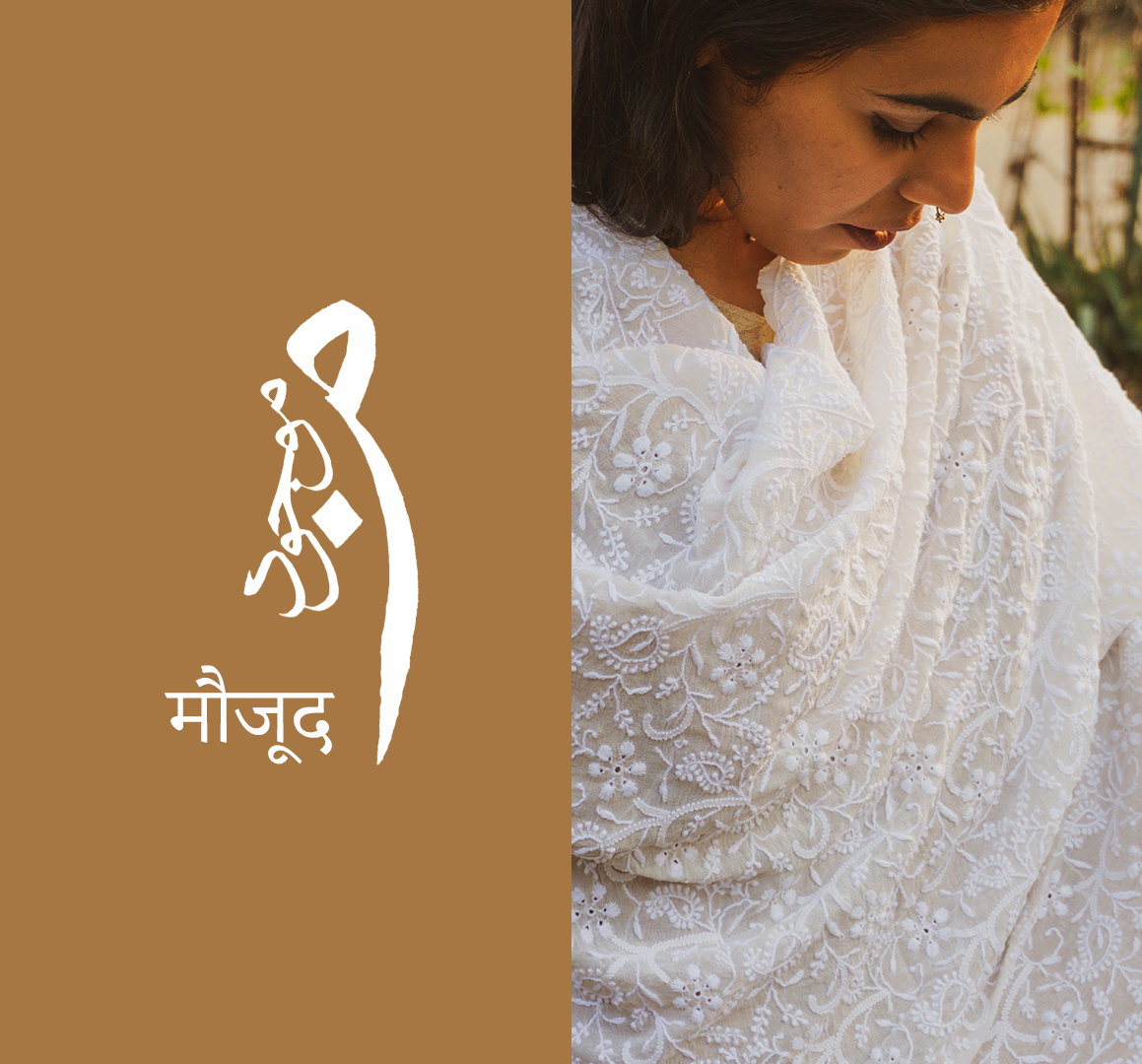

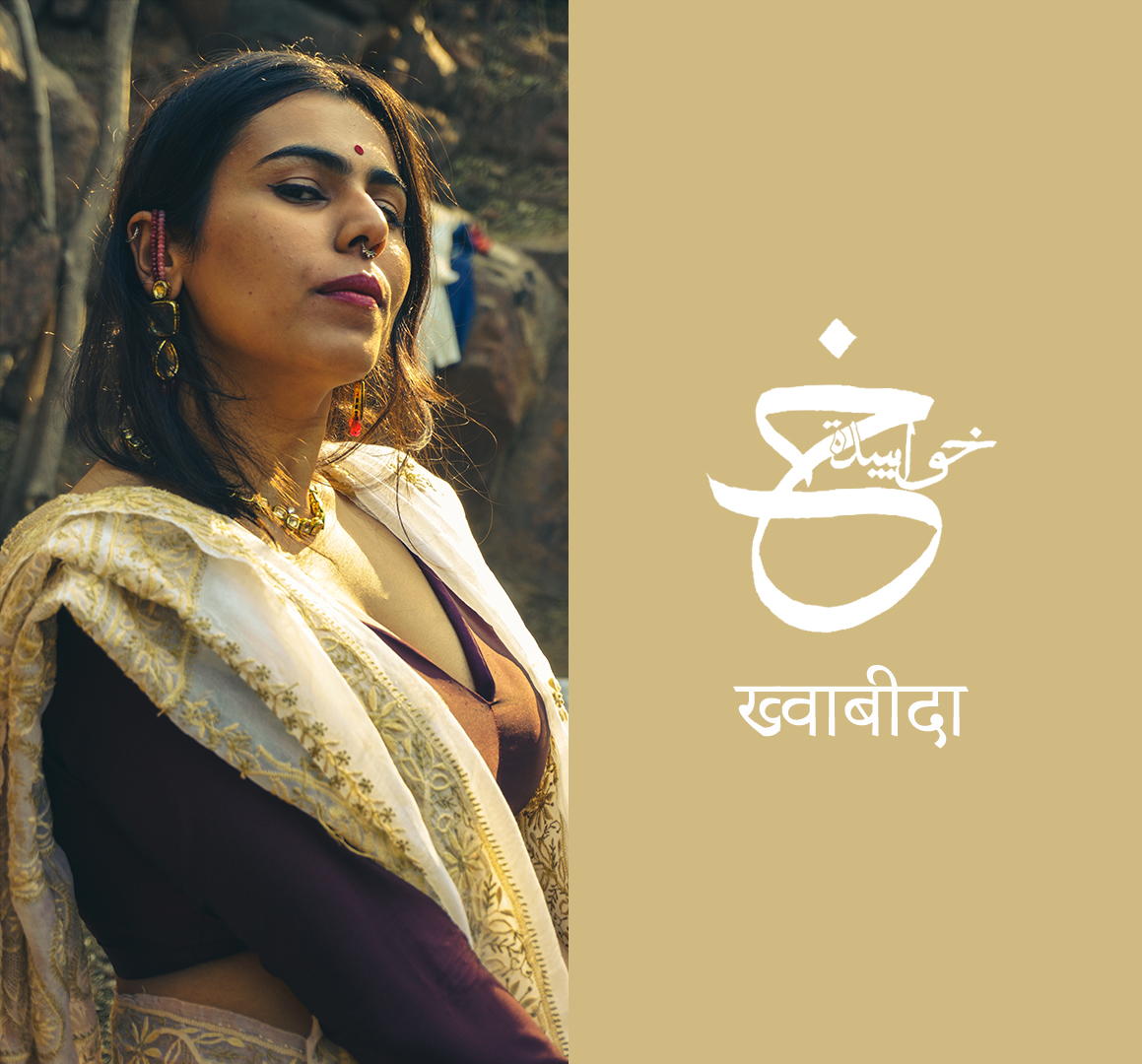
Tracing the historical arc of chikankari takes us through various legends. Some find it’s anecdotal mention in the court of Chandragupta Maurya as early as (3rd BC). Later in 7th century AD king Harsha is said to have a special liking for muslin garments with white patterns. It is a form of rivaayat (institutionalised knowledge) that has preserved itself resiliently.
The most credible history of this craft traced to the Mughal court of emperor Jehangir, whose wife Noor Jehan patronised the craft in the 17th century . Enchanted with exquisite ornamentation on the buildings of Ishfahan, she ordered these designs to be replicated on wooden blocks, printed on cloth and embroided in fine muslin. A variation of the narrative sees Mumtaz Mahal (wife of Shah Jehan) as the protagonist.
In another story , the princess of Murshidabad, enthralled the Nawab of Oudh with her stitch on a cap. Bored with the inanities of the harem she immersed herself in the craft, that eventually won her many favours with the nawab. News spread out and other natives of the harem competed to create ornate gifts for the Nawab, and thus they say Chikankari was born. In yet another story a traveller, was so impressed by the hospitality of a peasant decided to teach him a skill that would never have him hungry. Chikankars believed that he was sent by God himself.
Some scholars suggest that muslin, jamdani and chikan craftsmanship developed in Bengal could have been it’s genesis. The word “Chikan” has Persian roots, which was used as a metaphor for white needlework on white fabric, primarily muslin. Thus it’s Persian heritage is undeniable.
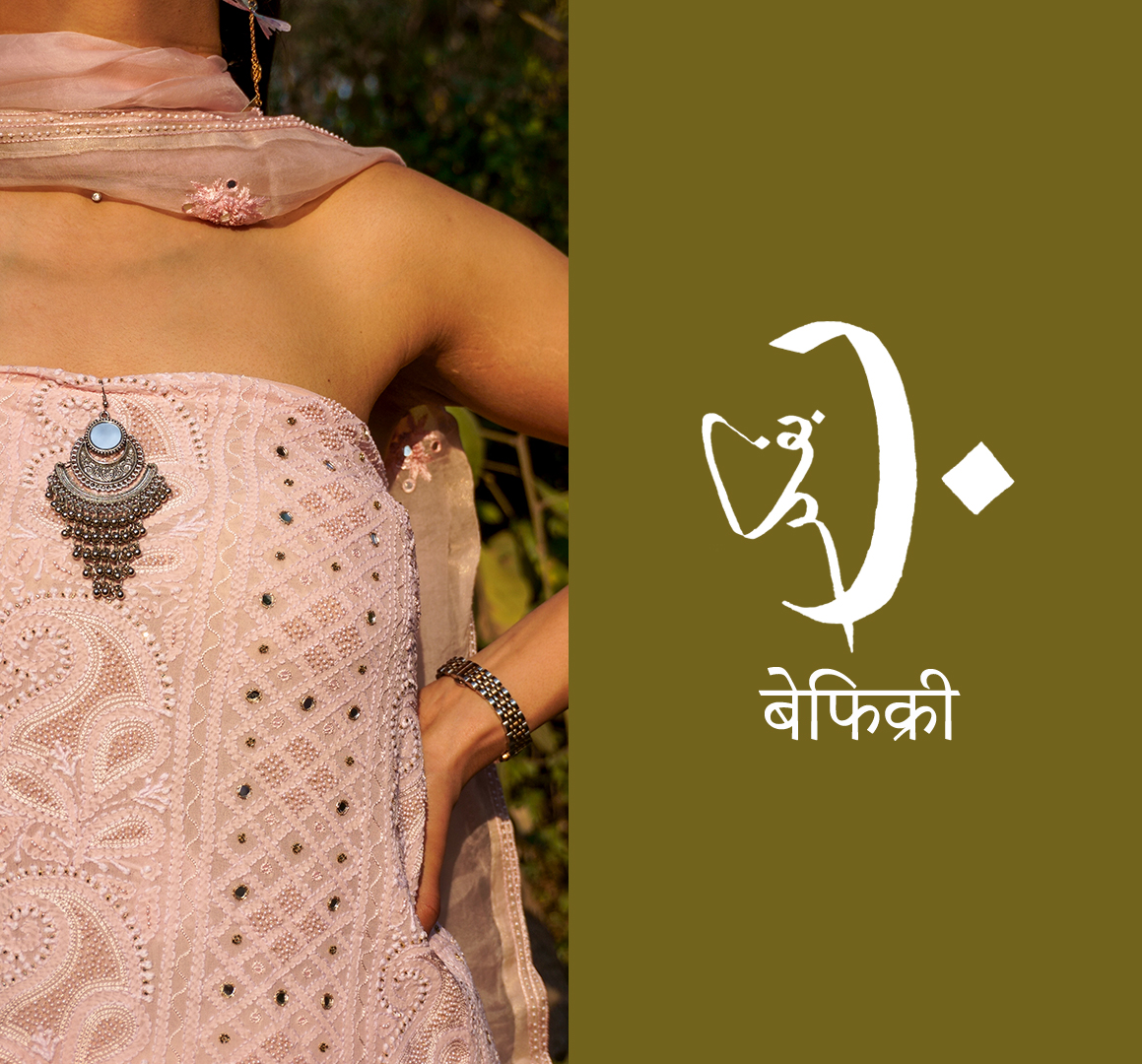
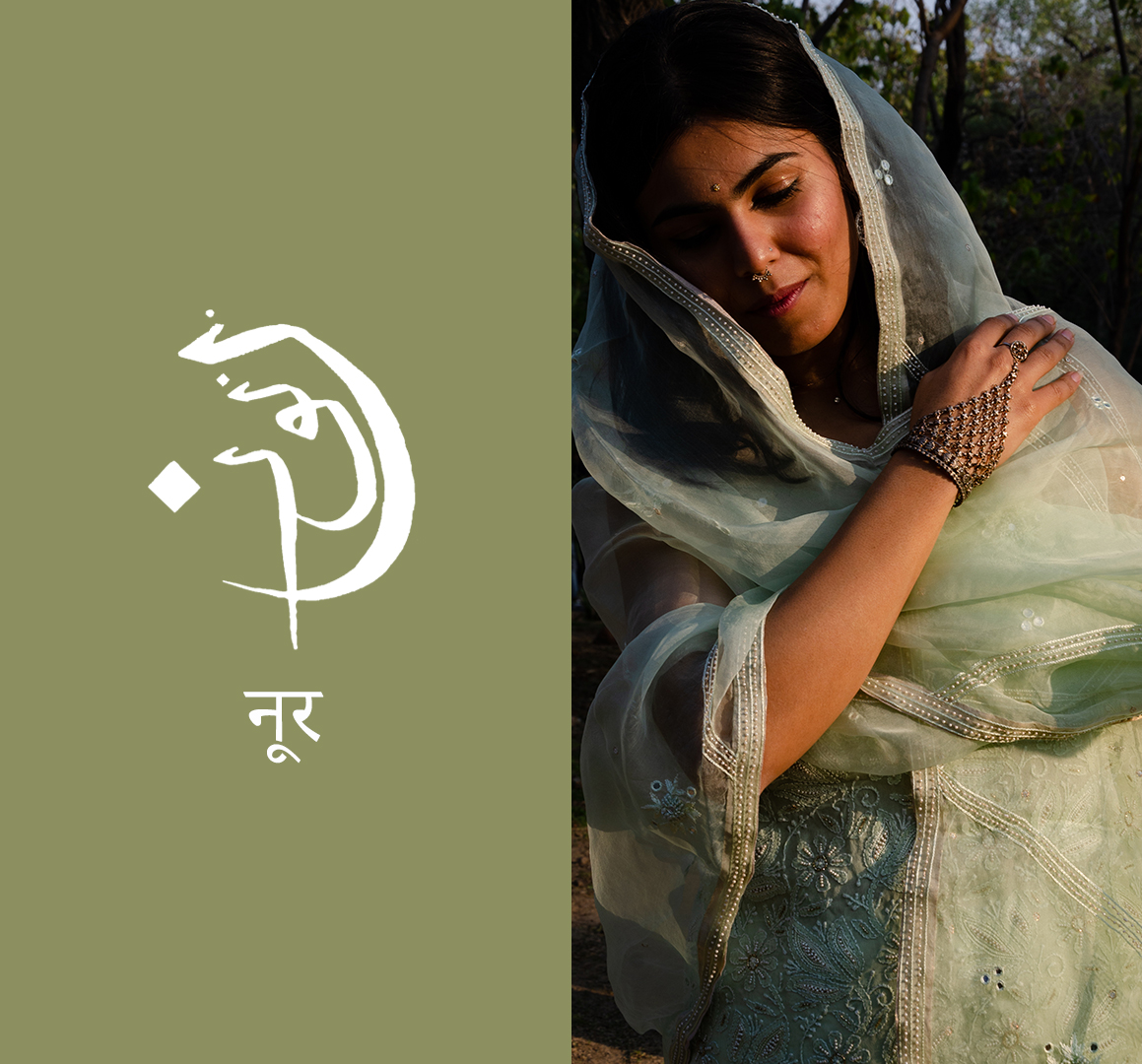
A trained embroider herself , the Persian queen Noor Jehan took Dacca muslin work across the globe. Her well known designs included dudami or flowered muslins which are believed to have given birth to modern day chikankari.
The decline of Mughal empire soon heralded the rise of Awadh dynasty. The luxurious courts of Saadat Khan attracted artists , cooks and literary figures. This influx contributed to rise of Urdu poetry and Lucknow as a city of distinctive taste. The royal karkhanas produced exqusite zardozi and kamdani work. This is when Chikankari reached its zenith from which it has enjoyed it’s unabated class.
Origins of Chikankari in Lucknow.
The roots of this craft in the city are rather mysterious and open to conjecture. Some narratives point to its royal Awadhi lineagewhile others point to a Bengali origin.
Whatever be the mythology of Chikankari, it’s main characteristics have remained consistently. Floral motifs, scrolls, trailing stems and creepers have continued to be adorned with timeless kaeris or paisley designs. The needlework amazes with its range of depth and variety. From the simple and affordable kurtis to breathtaking lehengas, one thing sure hasn’t changed across centuries. It’s timeless elegance !